Nov. 25, 2026
Porto-Novo: The Vodùn Squares Speak Out
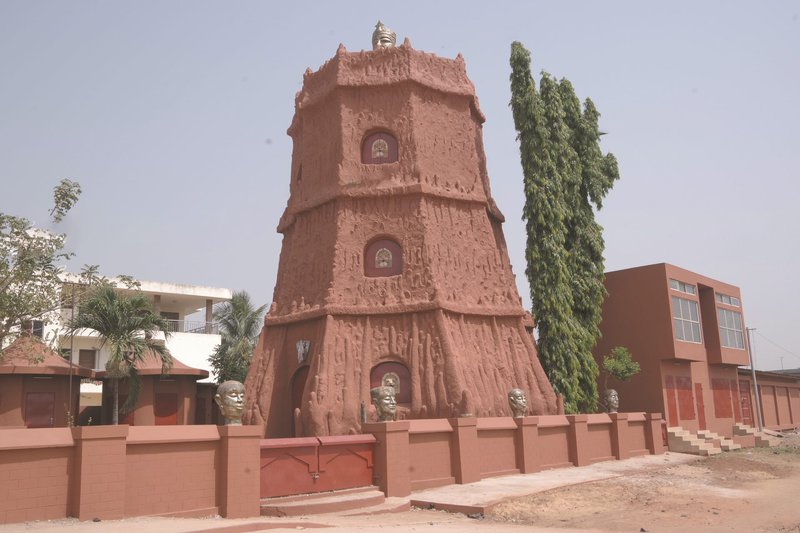
The project builds on the series of international workshops held in Porto-Novo in partnership with Les Ateliers de Cergy and the Éclosions urbaines programme, launched in 2015. Porto-Novo’s Vodùn squares are unique, and this project aims to bring them to life as vibrant spaces for everyday use.
Residents as cultural mediators
The AGEPs are associations established by local residents following the renovation of their neighbourhood’s Vodùn squares. Their mission is to keep Vodùn culture alive in these public spaces, maintain them on a daily basis, welcome visitors, offer guided tours, manage ticketing and help safeguard the heritage.
A total of 60 people, mostly women, from ten associations were recruited through a call for applications in the neighbourhoods. Over a three-month period, they took part in five training modules covering association governance, project development, IT and social media, heritage protection, and tour guiding and cultural mediation.
The associations were formally established and equipped with reception facilities, solar power, tablets, electronic ticketing systems and a visitor booklet for each square. Reception staff were recruited for each location. In October 2024, the ten associations came together to establish a network, enabling them to coordinate their activities and work collectively.
Each square has its own story: its deities, sacred trees, the Fa oracle and the migrations of the families who settled there. These stories are brought to life through the creative work of Beninese visual artists, musicians, performers and young creators, who have developed illustrated tales, films, interactive games, 360° virtual tours and geolocated trails. Some associations have also launched small-scale economic activities, including souvenir and ritual-product shops, traditional food restaurants, bar-cinema clubs and a printing workshop.
Hùnwê: A major celebration bringing everyone together
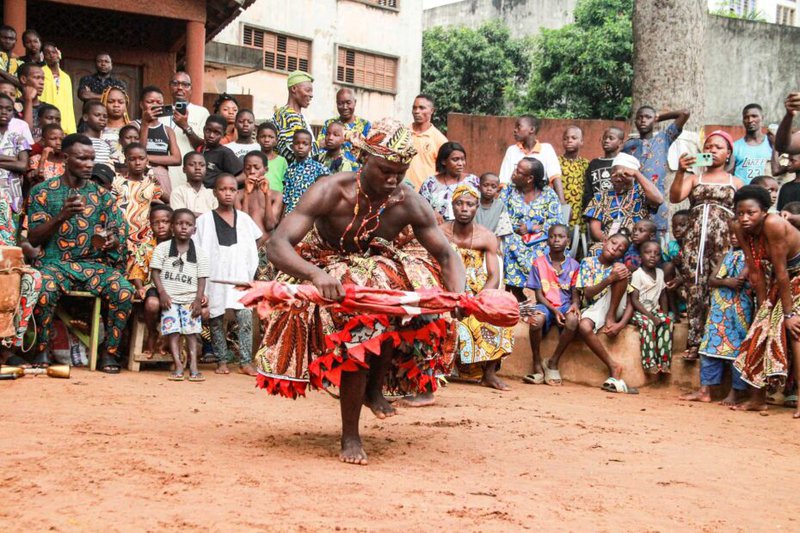
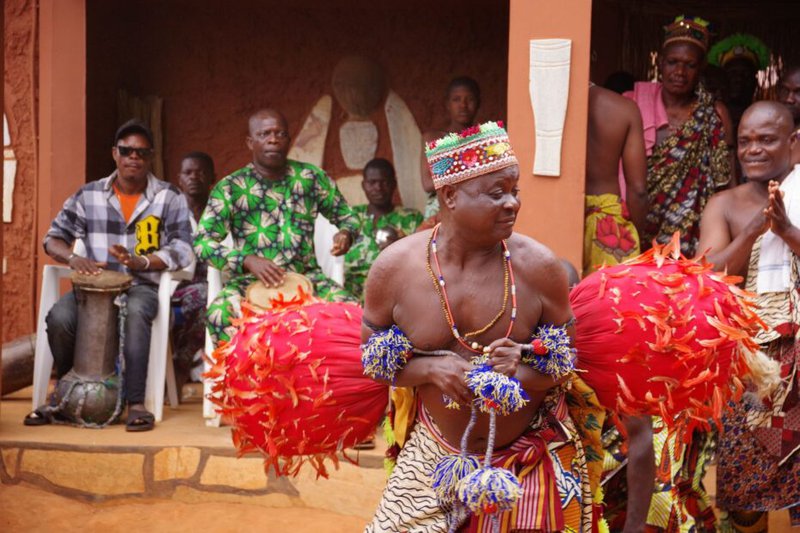
One particularly significant milestone was Hùnwê, a festival held for the first time over a month in autumn 2025, and again over two weeks in May and June 2026. Fourteen squares hosted ceremonies and events, including rituals, singing, dancing, masquerades and film screenings.
The AGEP Network organised what has become a major annual gathering, attracting nearly 20,000 participants in 2026. Families came together to attend the rituals of other families. In this way, the heritage of the Vodùn squares is once again becoming a shared, living common good.
Ensuring the long-term future of the squares and their activities
In just three years, the project has achieved a great deal, with tangible results. More than 3,000 visitors were welcomed to the squares in 2026, while the number of paid visits increased by 38% in one year. Overall, 96% of visitors reported being satisfied, and six out of ten came from abroad.
Nevertheless, visitor numbers are not yet sufficient for every association to sustain itself through guided tours alone, pay its guides and maintain its square without external support. However, attendance is growing steadily and has the potential to increase further: it simply takes time.
A new model is emerging, one that is more resource-efficient and based on solidarity, with better signage for the squares throughout the city and stronger partnerships to be developed with public institutions and the future International Museum of Vodùn. More than ever, local residents are essential stakeholders in safeguarding and bringing this living heritage to life.