Oct. 13, 2026
Along the rhythms of water: Looking Back at the 44th International Workshop of Les Ateliers de Cergy
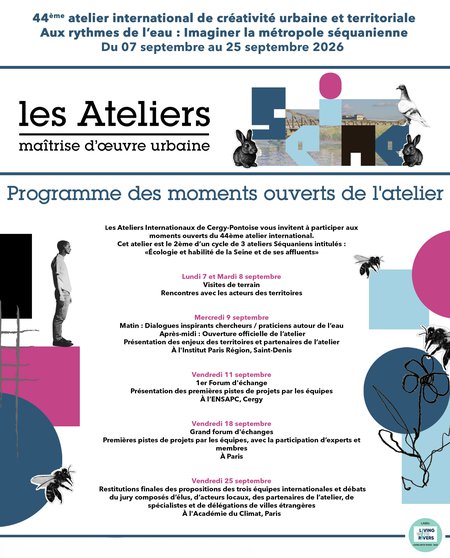
From 7 to 25 September 2026, Les Ateliers de Cergy brought together 15 participants from different countries and disciplines for their 44th international workshop, entitled “Along the rhythms of the water: Imagining the Seine Metropolis”. Working in three teams, participants were invited to rethink the relationships between the river, its inhabitants and their territories, envisioning a Greater Seine Garden in which the Seine and its tributaries become the living, shared backbone of the metropolis.
This edition marked the second stage of a three-workshop cycle dedicated to the ecology and liveability of the Seine and its tributaries. Following an initial workshop focused on the Upper Seine in 2025, attention turned this year to the metropolitan core, where infrastructure, economic activities and populations are concentrated, alongside tensions between the many uses of water and the needs of living ecosystems.
🔵 Three Weeks of Exploring the Metropolis along the Rhythms of Water
Floods, droughts, urban heat islands, soil sealing and access to riverbanks: the challenges facing the Paris metropolitan area call for a reconsideration of its relationship with the river. Long engineered to control water and meet the demands of urbanisation, the Seine is now at the centre of new expectations concerning climate adaptation, ecological restoration, productive activities and everyday urban life. These challenges call for moving beyond sectoral approaches and administrative boundaries to make liveability a shared ambition.
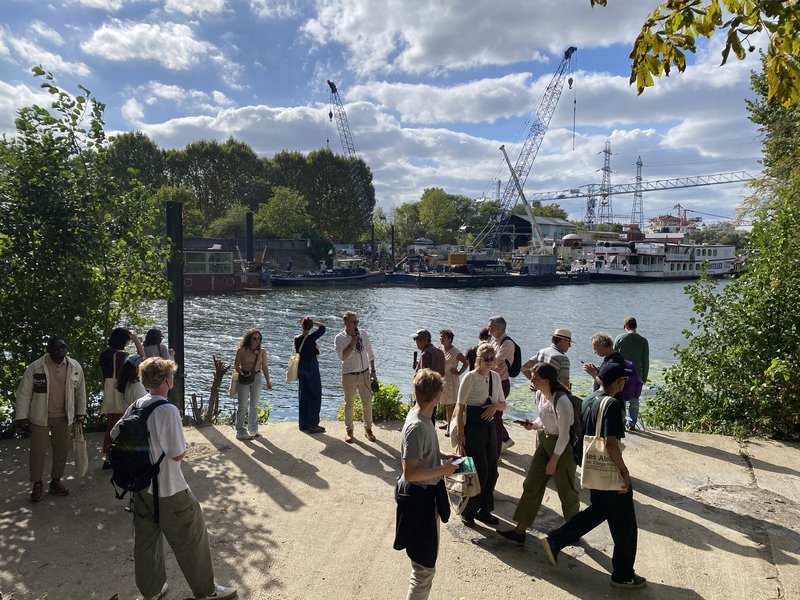
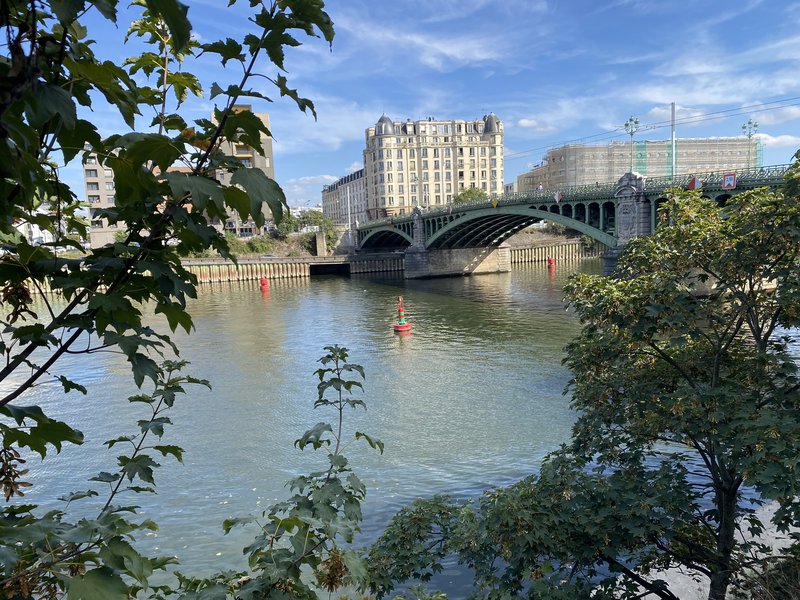
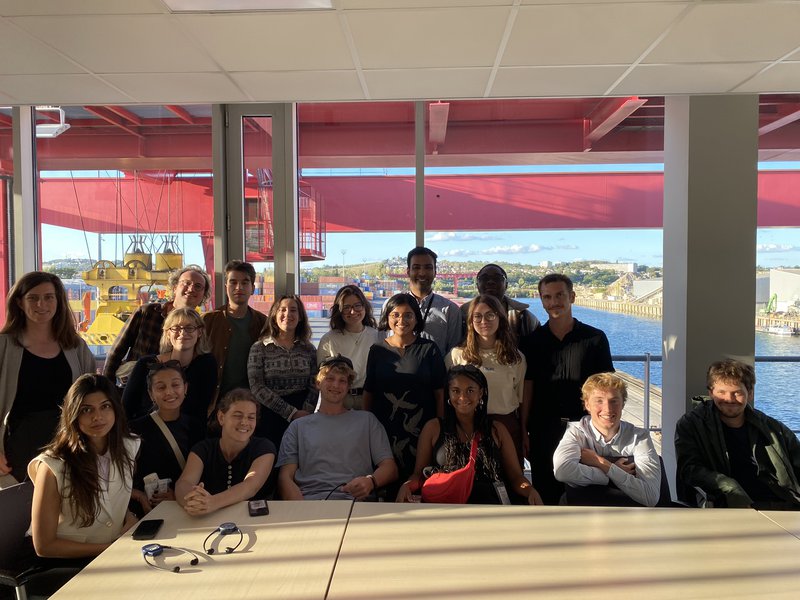
The workshop began with three days of field immersion. In the northern bend of the Seine, visits to Argenteuil and Bezons highlighted the challenges of reconnecting cities with their riverbanks in a landscape shaped by road infrastructure and industrial legacies. In L’Île-Saint-Denis, the island setting, ecological connections and transformations associated with the Riverside Eco-District prompted reflections on mobility and new ways of living. In Paris, visits to water infrastructure and a boat trip along the Seine offered opportunities to observe how the river’s economic, ecological and recreational functions coexist. Above all, these visits provided opportunities to meet those who know, manage and bring these territories to life, gaining a better understanding of local dynamics and emerging possibilities for transformation along the river. Back in Cergy, the teams continued their reflections through two weeks of collaborative work, interspersed with further field visits and two discussion forums with experts and partners.
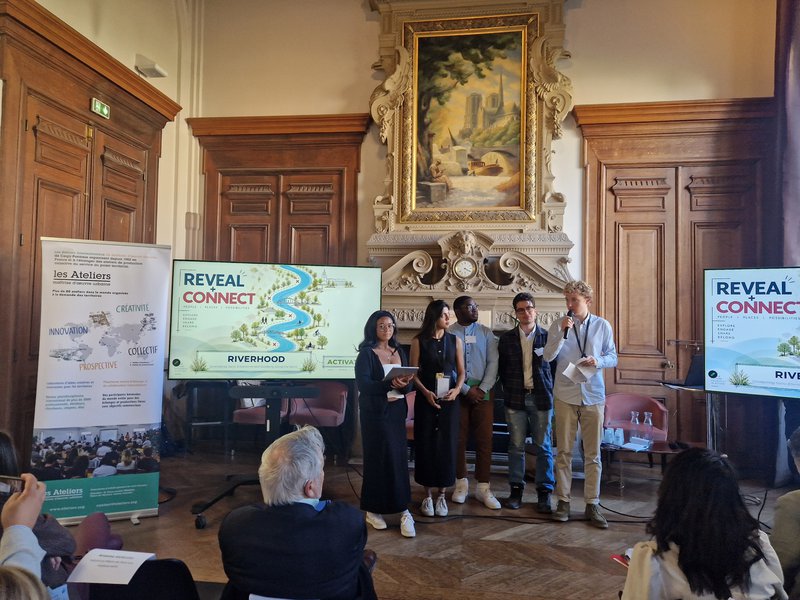
This work resulted in three distinct proposals, united by a shared ambition to question the place of water and living systems in how we inhabit and plan the metropolis. With River Solidarity, Riverhood approaches the Seine basin as a space of socio-environmental solidarities to be revealed and strengthened through walking explorations and sensory mapping. Team Flow, with Springing River Garden Metropolis, proposes a water literacy matrix to rethink relationships between nature and culture, resources and infrastructure, envisioning a river-garden metropolis. Finally, with Giving Space, the Confluenceurs invite us to make room for water, its cycles and residents’ involvement through experimental laboratories and new uses of metropolitan spaces.
Beyond their spatial proposals, all three teams placed particular emphasis on methods, imaginaries and the conditions needed to initiate change, inviting a reconsideration of planning practices themselves.
🔵 Bringing the Proposals into Debate: The Jury
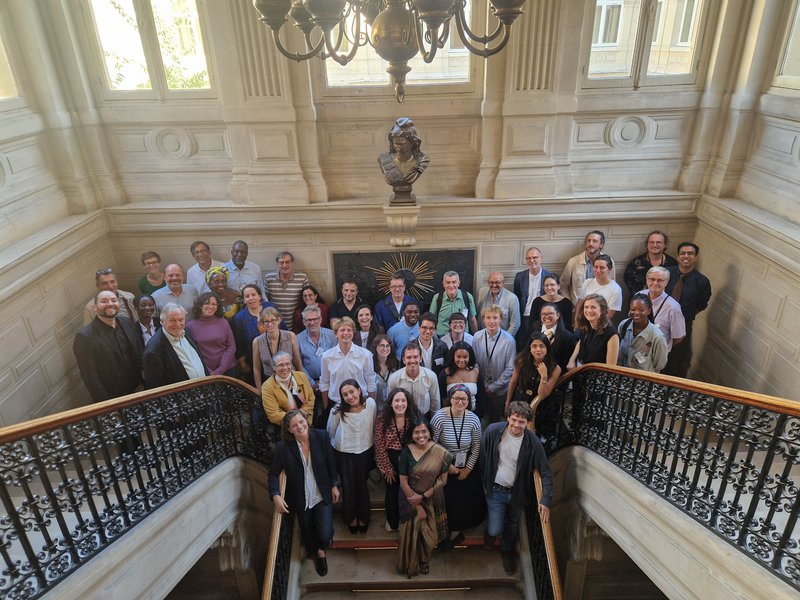
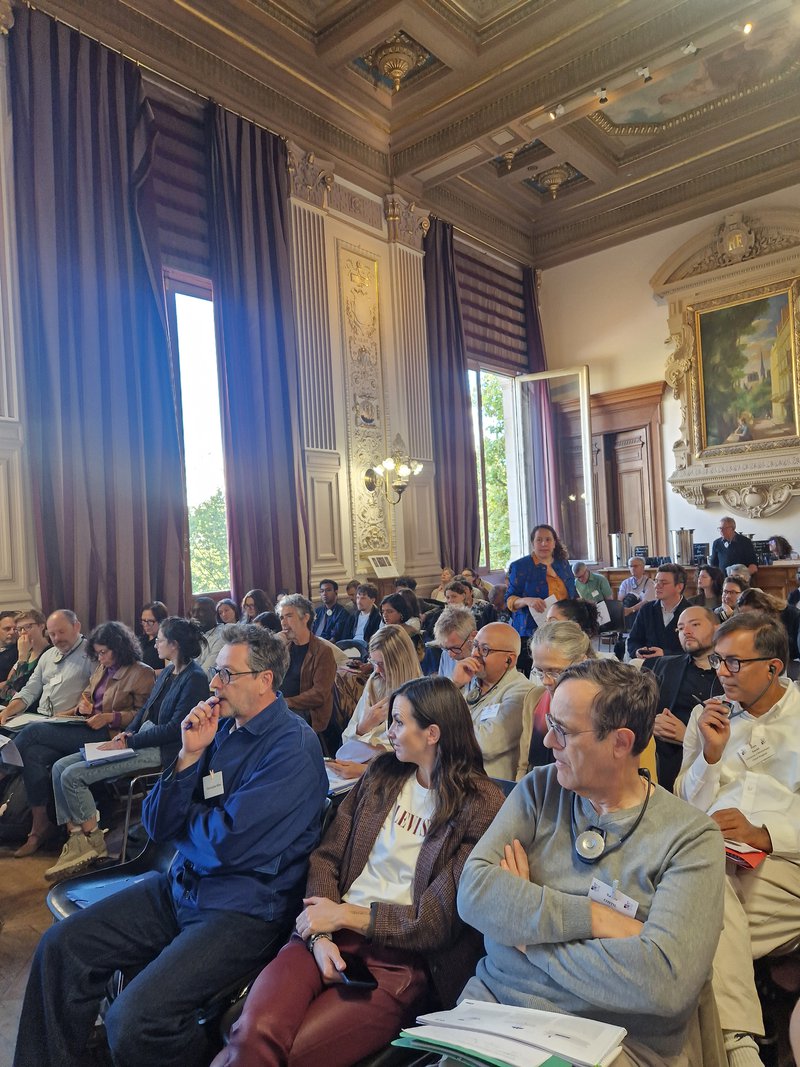
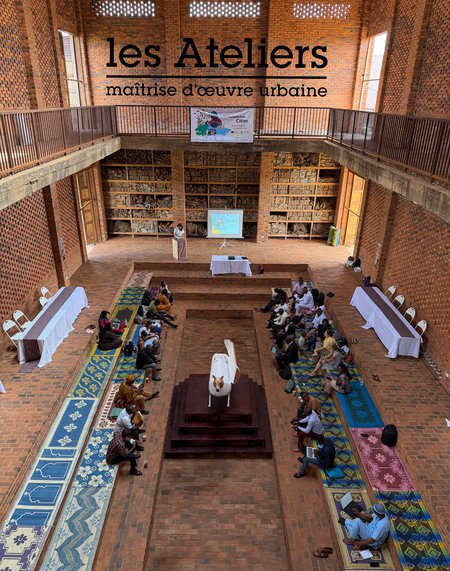
On 25 September, at the Académie du Climat in Paris, the three projects were presented and discussed before a 25-member jury comprising representatives of partner local authorities and institutions, members of Les Ateliers, and French and international experts.
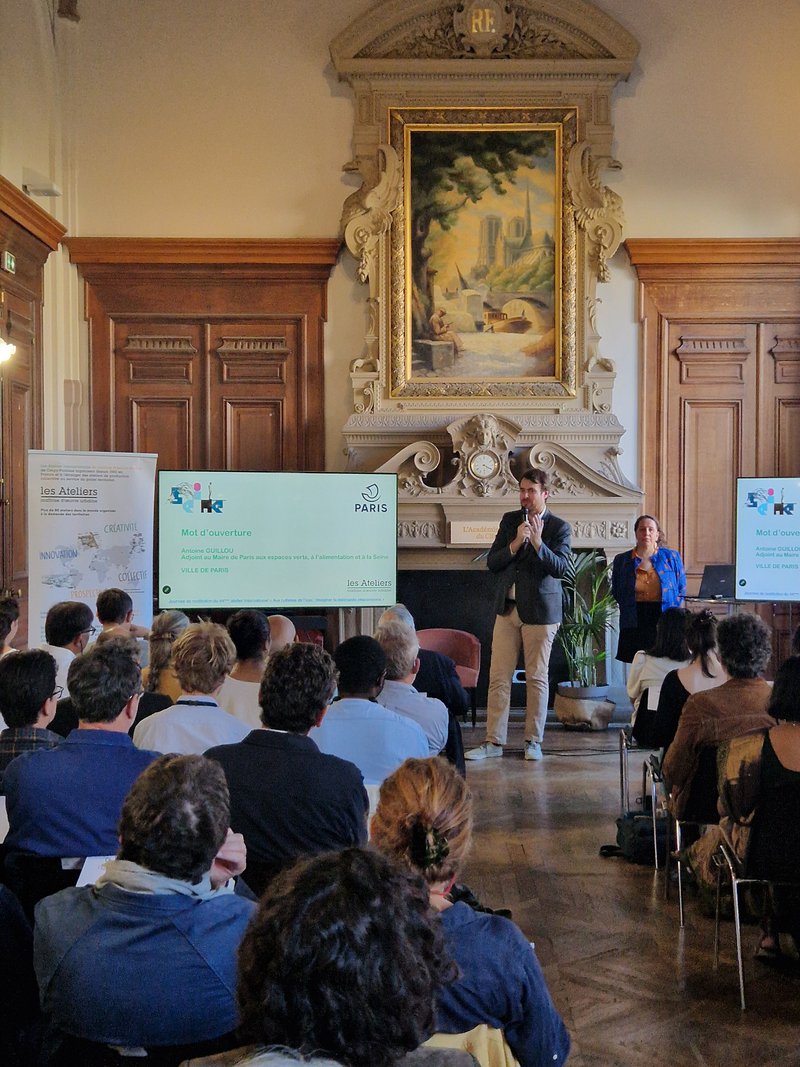
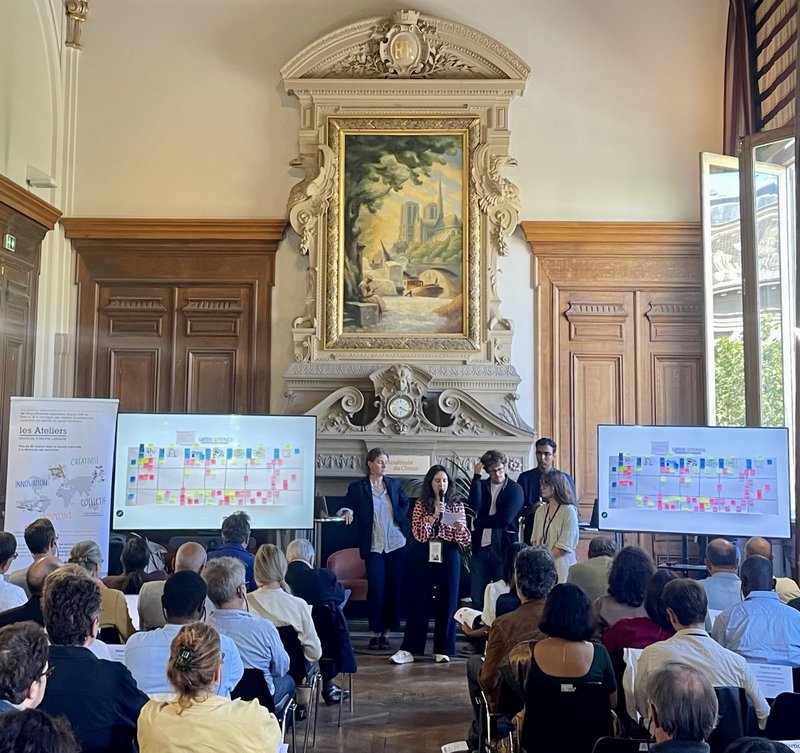
The day opened with remarks by Antoine Guillou, Deputy Mayor of Paris responsible for green spaces and woodlands, sustainable food and short supply chains, the Seine corridor and canals, and funerary affairs, and Pierre-André Périssol, President of Les Ateliers de Cergy. The workshop leaders, Laura Châtaigner and César Silva Urdaneta, then introduced the main challenges of the workshop theme and the two key approaches proposed to participants: the garden metropolis and the matrix of temporalities.
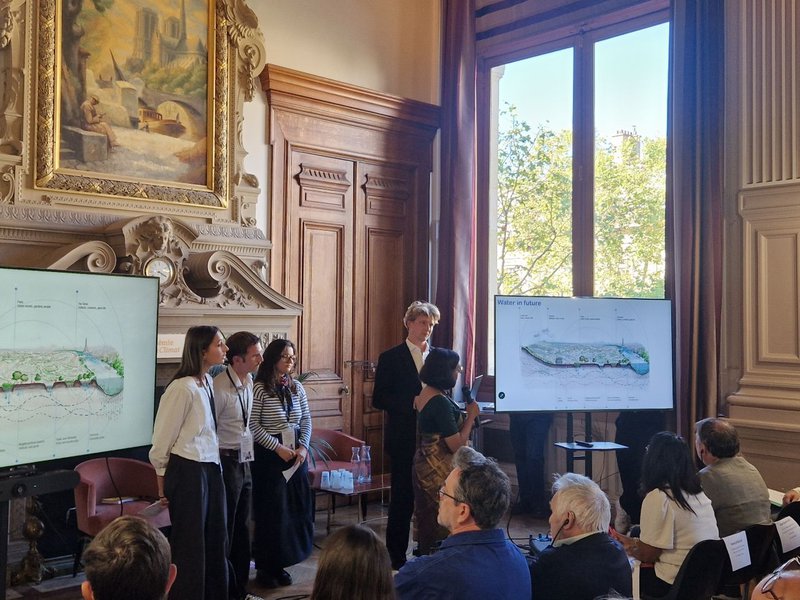
Each team had 30 minutes to present its approach and proposals, followed by 30 minutes of discussion with the jury. These exchanges provided an opportunity to examine the projects in light of territorial challenges, question their potential and explore the conditions for their implementation.
Following the three presentations, the jury, chaired by Pierre-André Périssol, met behind closed doors in the early afternoon to deliberate. Afterwards, the workshop leaders presented a summary of the discussions and the jury’s main observations.
🔵 Renewed Imaginaries for the Future of the Seine
Jury members highlighted the depth and diversity of the reflections developed by the teams in just three weeks. The range of perspectives and approaches brought together helped challenge existing models and open up new ways of imagining relationships between the metropolis and water.
Building a shared water culture emerged as a cross-cutting concern across all three projects. The teams explored ways of bringing water governance closer to everyday practices, while also calling for a transformation of how we perceive and relate to water in the city, particularly by restoring the river’s place in collective imaginaries. This reflection encourages us to consider water in all its diverse forms and functions, while also rethinking how we share spaces and care for living systems, raising questions about land ownership, management practices and responsibilities towards ecosystems.
Solidarity emerged as another common thread running through the proposals, inviting a reconsideration of relationships between territories and with the living world, as well as our collective capacity to face risks. One idea the jury drew from the projects was that a crisis anticipated and prepared for collectively may lose some of its exceptional character and be approached differently. By opening up new imaginaries and asserting the possibility of alternative futures, these manifesto-projects now invite policymakers and territorial stakeholders to consider how their ideas might be taken forward and translated into concrete action.
The day concluded with the traditional diploma ceremony for participants and the workshop leadership team, recognising their commitment throughout the three weeks.
Les Ateliers warmly thank the Académie du Climat for hosting the event, all partners, jury members and participating local authorities for their support, and the participants for their valuable contributions!
🌊 The workshop cycle dedicated to the ecology and liveability of the Seine and its tributaries will continue in 2027, following the river downstream to extend these reflections across the wider Seine basin.
The full list of jury members and the final proposals of the three teams can be found in the workshop report, available on the dedicated workshop webpage.